Why Should You Cancel SR22 Insurance in Ohio?

cancel sr22 insurance ohio

If you’ve completed the required three-year SR22 insurance period in Ohio, it’s time to contemplate canceling it. This step not only signifies your progress in regaining normal driving privileges but can also lead to lower insurance rates. Shifting to a standard policy can ease the financial strain of high-risk insurance. But before you make that decision, there are vital factors to weigh that could impact your future driving experience.

If you’ve completed your SR22 insurance requirement in Ohio, you may be considering canceling your policy. However, before making any decisions, it’s vital to guarantee you meet all the eligibility criteria for cancellation. You must have fulfilled the legal requirements set by Ohio state laws, which typically involve maintaining SR22 coverage for three continuous years without any gaps. Additionally, any outstanding fines or reinstatement fees from the original suspension must be paid, and you must have complied with any court-ordered conditions for reinstatement. It’s essential to understand that SR-22 insurance is a certificate of financial responsibility required for high-risk drivers.

Premature cancellation of your SR22 insurance can lead to serious consequences. If you cancel your policy before fulfilling the required coverage period, you risk immediate suspension of your driving privileges. This couldn’t only lead to substantial fines but also make it considerably more challenging to obtain insurance in the future. Moreover, if you find yourself needing to reinstate your driving privileges, the process can become complicated and costly. Driving under suspension can lead to further legal issues, which is something you definitely want to avoid. Notably, maintaining compliance with state laws regarding high-risk driving is crucial to avoid these penalties.

To guarantee a smooth cancellation process, start by verifying that you’ve completed the SR22 requirement. You can confirm this with the Ohio Bureau of Motor Vehicles (BMV) or your insurance agent. It’s wise to secure a new insurance policy before canceling your SR22 coverage to prevent any gaps in coverage. Once you’re ready, inform your insurance company of your intention to cancel the policy. Make sure to document the cancellation by obtaining written confirmation. This serves as proof that you followed the necessary steps and complied with Ohio state regulations.

If you’re hesitant about canceling your SR22 insurance, consider alternatives. You could adjust your existing policy to lower your premiums instead of canceling altogether. Shopping around for different insurance providers might also yield more affordable SR22 options. If the monthly fees feel overwhelming, explore payment scheduling options or seek financial counseling services. Additionally, taking defensive driving courses can demonstrate your commitment to safe driving practices, potentially lowering your insurance rates.

Financial considerations play a considerable role in your decision to cancel. After completing your SR22 requirement, it’s likely your insurance rates may decrease. However, keep in mind that there are fees associated with reinstating your driving privileges if you cancel prematurely. Cancellations can also negatively impact your credit score, so budgeting strategies are vital to guarantee a smooth changeover when maintaining or switching insurance policies. If affordability is an issue, explore financial assistance programs that can help alleviate some of the burdens.

Lastly, understanding the legal implications of your specific situation is significant. Familiarize yourself with the type of suspension you’re facing and recognize when court involvement might be necessary. Knowing the hearing procedures can prepare you for any disputes regarding your suspension, making the overall process smoother. By taking these steps, you can make an informed decision about canceling your SR22 insurance in Ohio.

Conclusion

So, you’ve survived the SR22 rollercoaster—congrats! Now it’s time to kick that high-risk insurance to the curb. By canceling it, you’re not just saving money; you’re also reclaiming your driving dignity. Who needs to pay extra for “adventure insurance” when you can enjoy standard rates instead? With a clean record and a lighter wallet, you can finally drive like a regular person again. Embrace the freedom and wave goodbye to those SR22 shackles!

Why Is Minimum Coverage Important With SR22?

minimum coverage ensures compliance

When it comes to SR22 requirements, understanding minimum coverage is essential for your compliance and protection. This coverage not only meets state mandates but also shields you from hefty out-of-pocket expenses in case of an accident. Failing to maintain the required coverage can lead to penalties and complications, especially in states like Florida. What happens if you ignore these requirements? The implications could be more serious than you think.

When you find yourself needing an SR22, understanding the minimum coverage requirements is important for maintaining your driving privileges. An SR22 isn't an insurance policy but a certificate of financial responsibility that verifies compliance with your state's minimum liability insurance mandates. In Florida, this means you'll need at least $10,000 in personal injury protection (PIP) and $10,000 in property damage liability (PDL). Other states may have different requirements, so it's necessary to be aware of local laws. Additionally, SR-22 insurance is typically required for drivers who have committed serious offenses and need to demonstrate financial responsibility.

Minimum coverage is more than just a legal formality; it's a safeguard against financial liability. By ensuring you meet these minimums, you provide proof of liability coverage, which is particularly important if you've committed serious offenses like DUIs or driving without insurance. The cost of your SR22 insurance will likely be higher, reflecting the increased risk associated with your driving record. In this context, higher coverage limits can offer additional protection, shielding you from significant out-of-pocket expenses in the event of an accident. SR22 also acts as proof to authorities that required auto insurance coverage is maintained, which is crucial for your driving status.

Minimum coverage is essential for financial protection, especially after serious offenses, and higher limits can further shield you from unexpected costs.

In addition to the mandatory PIP and PDL, some states may require bodily injury liability coverage as part of your SR22 filing. This coverage helps protect against costs related to injuries inflicted on others during an accident. For instance, in Florida, your basic PIP covers up to 80% of your medical expenses after an accident, which is essential for ensuring your financial wellbeing.

While extensive and collision coverage aren't part of the minimum SR22 requirements, considering additional coverage options could be beneficial based on your existing health insurance.

Maintaining the minimum coverage limits is significant. In Florida, the standard requirement is $10,000 in PIP and $10,000 in PDL, but more severe offenses may necessitate higher limits, such as those found in FR44 policies. These policies, designed for more serious infractions, often require limits of $100,000 for bodily injury. The financial burden of an accident can be overwhelming, making higher limits a wise investment for your peace of mind.

Your insurance costs will reflect the perceived risk of your driving history. A history of serious traffic violations will likely lead to higher SR22 premiums, and any lapses in coverage can result in additional fines or even license suspension. It's important to maintain continuous insurance coverage to avoid these penalties. If your coverage lapses, your insurer is obligated to notify the state, which could jeopardize your driving privileges.

Finally, if you don't own a car but still need to drive, non-owner SR22 policies might be necessary. These allow you to meet the minimum coverage requirements while driving vehicles that aren't yours. Understanding state-specific requirements and maintaining uninterrupted coverage is key to complying with SR22 regulations, ensuring you avoid extended penalties.

Conclusion

In the world of driving, minimum coverage with an SR22 acts as both a safety net and a double-edged sword. On one hand, it protects you from hefty out-of-pocket expenses after an accident; on the other, it's a necessary step to regain your driving privileges. Without it, you risk facing penalties and greater complications. Balancing these realities underscores the essential role minimum coverage plays—not just in compliance, but in ensuring your financial security on the road.

Top 5 Online Quotes for SR22 Insurance

sr22 insurance online quotes

You might find it interesting that many drivers overlook the importance of comparing SR-22 insurance quotes. It's essential to guarantee you're getting the best rates available. Several top providers offer competitive options, each with unique benefits. From State Farm to Progressive, there's more to evaluate than just price. Let's explore the specifics of these providers and see how they stack up against each other.

Key Takeaways

  • State Farm offers affordable SR-22 insurance with average annual costs around $799 and monthly premiums as low as $27.
  • Geico provides non-owner SR-22 coverage starting at $39 per month, ensuring compliance with Ohio's SR-22 mandates.
  • Progressive's monthly rates begin at approximately $32 for minimum coverage, lower than state averages, with good customer service.
  • Country Financial specializes in SR-22 insurance services, with costs influenced by driver risk factors and an affordable filing fee.
  • Farmers Insurance streamlines the SR-22 process with a filing fee of $17 and instant electronic documentation for convenience.

State Farm SR-22 Insurance Quotes in Ohio

ohio state farm sr 22

If you're looking for affordable SR-22 insurance in Ohio, State Farm stands out as a top choice. They offer competitive rates, with average annual costs around $799, making them one of the cheapest options for high-risk drivers. You can find monthly premiums as low as $27, considerably lower than the state average. State Farm provides reliable service, ensuring that SR-22 filings are handled smoothly. Their coverage meets Ohio's minimum liability requirements, giving you peace of mind as you navigate your situation. Additionally, SR-22 insurance is essential for drivers who have had their licenses suspended due to violations. With filing fees typically ranging from $15 to $25, State Farm makes compliance easier and more budget-friendly. Additionally, State Farm's rates are 59% cheaper than the average car insurance for high-risk drivers in Ohio.

Geico SR-22 Insurance Options for Ohio Residents

Geico offers Ohio residents a reliable option for SR-22 insurance, providing competitive rates and essential coverage for high-risk drivers.

With policies starting around $39 per month for non-owner coverage, Geico keeps costs manageable. They guarantee compliance with Ohio's SR-22 mandates, covering $25,000 per person, $50,000 per accident for injuries, and $25,000 for property damage.

Geico offers non-owner SR-22 coverage starting at $39/month, ensuring compliance with Ohio's insurance requirements.

Geico simplifies the filing process by submitting the SR-22 form directly to the DMV on your behalf, saving you time and hassle. Their accessible customer support is ready to assist with any questions you may have.

Plus, you can adjust your policy as needed while maintaining SR-22 compliance, making Geico a flexible choice for your insurance needs.

Progressive SR-22 Insurance Pricing in Ohio

When searching for SR-22 insurance in Ohio, you'll find that Progressive offers competitive pricing tailored to meet the needs of high-risk drivers.

Monthly rates start around $32 for minimum coverage and about $102 for full coverage, making them more affordable compared to the state average of $55 and $123, respectively. Your costs may vary based on your driving history, vehicle type, and coverage level.

Progressive also charges a filing fee between $15 to $25 for SR-22 paperwork. Known for good customer service and options for extensive coverage, Progressive can be an excellent choice for those needing SR-22 insurance.

Plus, you might qualify for usage-based discounts that reward safe driving habits.

Country Financial SR-22 Insurance Rates in Ohio

ohio sr 22 insurance rates

Progressive may be a popular option for SR-22 insurance in Ohio, but Country Financial also offers coverage that drivers should consider.

While Country Financial isn't typically highlighted as a top SR-22 provider, it does provide essential services for those needing this coverage.

Country Financial may not be a leading SR-22 provider, but it offers valuable coverage options for those in need.

You should keep in mind that SR-22 insurance generally costs more due to the increased risk associated with high-risk drivers. Factors influencing your rates include the severity of your violation, your driving history, and even your age and marital status.

The SR-22 filing fee in Ohio is relatively low, ranging from $15 to $25. If you're looking for affordability, it's wise to shop around and compare quotes from different providers, including Country Financial.

Farmers Insurance SR-22 Coverage and Quotes in Ohio

Farmers Insurance offers a reliable option for SR-22 coverage in Ohio, catering specifically to drivers facing license suspensions.

With an SR-22 filing fee of just $17, it stands out for affordability. You'll find a streamlined process for setting up your policy and filing the necessary SR-22 forms, ensuring you get back on the road quickly.

Unlike some providers, Farmers doesn't charge broker fees, and they provide instant electronic documentation for your SR-22.

Conclusion

Finding the right SR-22 insurance doesn't have to be a headache. With providers like State Farm, Geico, Progressive, Country Financial, and Farmers Insurance, you've got options that cater to your needs and budget. Imagine driving with peace of mind, knowing you've secured the best deal possible. Why settle for less when you can compare quotes and guarantee you're getting the coverage you deserve? Take the leap and explore these options today!

3 Tips: Differences Between SR22 and Regular Insurance

sr22 versus regular insurance

Maneuvering the world of auto insurance can be complex, especially when you encounter terms like SR22. Most drivers aren't aware that SR22 isn't a type of insurance but rather a certification for high-risk individuals. Understanding the critical differences between SR22 and regular insurance is essential for making informed choices. Are you prepared to uncover how these distinctions can impact your coverage and costs? Let's explore what sets these two apart.

Key Takeaways

  • SR22 insurance is mandated for high-risk drivers, while regular insurance is not required for all drivers.
  • SR22 coverage involves higher premiums due to the classification as high-risk, unlike standard insurance rates.
  • SR22 requires ongoing compliance and reporting to the state, while regular insurance can be canceled without state involvement.
  • Lapsing SR22 coverage can lead to penalties and loss of driving privileges, whereas regular insurance lapses do not affect legal status directly.
  • Understanding SR22 obligations is crucial for maintaining driving status and avoiding additional penalties compared to regular insurance policies.

Understanding the Purpose of SR22 Insurance

sr22 insurance explained clearly

When you face serious driving offenses, such as a DUI or driving without insurance, you may need SR-22 insurance to prove you meet your state's minimum liability requirements.

SR-22 is a document filed by your insurance company with the DMV, indicating that you have the necessary coverage. Not every state requires an SR-22, but where it's mandated, it serves as an essential tool for reinstating your driving privileges after a suspension. In Ohio, the SR-22 insurance requirement is often imposed on drivers who have committed major violations.

SR-22 is a crucial document filed by your insurer, proving you meet state coverage requirements for reinstating driving privileges.

Common offenses triggering an SR-22 include DUIs and driving uninsured. You must maintain continuous coverage for the duration specified by your state, usually several years. Additionally, high-risk drivers must be aware that failure to comply can lead to further penalties, highlighting the importance of understanding SR-22's role in your driving record and insurance obligations.

Cost Implications for High-Risk Drivers

While you might expect standard insurance premiums, high-risk drivers facing SR-22 requirements often see a significant increase in costs. Typically, SR-22 insurance is classified as high-risk coverage, leading to average annual premiums around $3,248 in Florida.

You could experience a premium increase of 14% to 40%, translating to an additional $400 to $1,000 on your policy. Certain violations, like a DUI first offense, could push your rates up to $4,240, while a second offense might escalate costs to $6,314.

Insurance companies assess your risk based on violation types, so maintaining a clean driving record is vital. Keep in mind that some insurers may even refuse coverage altogether due to your high-risk status.

Policy Requirements and Maintenance Differences

Understanding the policy requirements and maintenance differences between SR-22 and regular insurance is essential for drivers, especially those classified as high-risk.

Both types of insurance must meet state minimum liability requirements, but SR-22 necessitates a specific form to be filed with the state to prove financial responsibility. Regular insurance renews annually without the need for state notification.

Both SR-22 and regular insurance must meet state minimum liability requirements, but SR-22 requires a state-filed form for proof of financial responsibility.

In contrast, if your SR-22 coverage lapses, your insurance provider must inform the state, potentially impacting your driving privileges. Furthermore, SR-22 is typically required for a set period, often three years, while regular insurance can be canceled without state involvement.

Awareness of these differences helps guarantee compliance and maintains your driving status.

Conclusion

In conclusion, understanding the differences between SR22 and regular insurance is essential for high-risk drivers. Think of SR22 as a safety net that not only holds you accountable but also keeps you tethered to the state's requirements. Just like a tightrope walker relies on their balance to avoid falling, you must maintain continuous coverage to avoid penalties. By grasping these distinctions, you can navigate your insurance needs more effectively and guarantee you stay on the right side of the law.

3 Best Ways SR22 Impacts Insurance Costs

sr22 effects on premiums

Did you know that drivers with an SR22 can see their insurance premiums soar by as much as 400%? This steep increase stems from being classified as high-risk, but that's just the beginning. The financial implications don't stop there; ongoing costs and geographical factors further complicate your situation. Understanding these nuances can help you navigate the challenges ahead and potentially minimize your expenses. What strategies can you employ to manage these rising costs effectively?

Key Takeaways

  • SR-22 classification elevates insurance premiums due to the high-risk driver status associated with past infractions.
  • Continuous SR-22 coverage is essential to avoid penalties and maintain driving privileges, impacting overall financial stability.
  • Insurance costs for SR-22 can vary significantly, with annual premiums ranging from $300 to over $4,200 based on several factors.
  • Location plays a critical role in determining SR-22 insurance rates, with urban areas typically charging higher premiums.
  • Past traffic violations can lead to long-lasting premium increases, affecting future insurance rates even after SR-22 requirements end.

Increased Premiums Due to High-Risk Classification

higher insurance costs ahead

When you're classified as a high-risk driver due to past infractions, you can expect your insurance premiums to rise greatly. Infractions like DUIs or serious moving violations signal to insurance companies that you're a greater risk, which translates into higher costs.

While the SR-22 filing itself incurs a one-time fee, the real financial impact stems from your risk classification. Premium increases can vary widely based on the severity of your offense and your driving history. A clean record may lead to smaller hikes, while more severe violations, particularly DUIs, can drive up costs greatly. Additionally, SR-22 classification signals to insurers that the driver is considered high-risk, prompting even higher premium rates. In Ohio, SR-22 insurance is often required for drivers who have committed serious offenses, highlighting the need for compliance with state regulations.

Furthermore, your location and the insurance company's assessment can further influence your rates, making shopping around for better options essential.

Long-Term Financial Impact of SR22 Requirements

Although SR-22 requirements are often viewed as a temporary setback, their long-term financial impact can be significant and far-reaching. Typically lasting 3 to 5 years, these requirements can restart if your insurance coverage lapses, extending your financial obligation.

Maintaining continuous insurance is essential to avoid fines and potential license suspension. While SR-22 itself doesn't directly affect your credit score, the financial strain could hinder your ability to save or manage expenses.

Additionally, traffic violations associated with SR-22 can linger on your driving record, leading to higher premiums and limited insurance options. Compounded by potential legal fees and the risk of job implications, the long-term effects can create a cycle of financial stress that impacts various aspects of your life.

Variability in Insurance Costs Among Different Insurers

The variability in insurance costs for SR22 coverage can greatly impact your financial planning, as different insurers assess risk and pricing differently.

You might find that:

  • The average annual cost ranges from $300 to $800, depending on personal factors like driving history and age.
  • Some providers, such as Mercury and Metlife, charge markedly different rates, from $948 to over $4,200 annually.
  • Location plays an essential role, with urban areas typically commanding higher premiums.

These disparities arise because insurers view SR22 holders as high-risk, leading to increased premiums for minimum liability coverage.

Conclusion

In the tumultuous world of SR22 insurance, the stakes are sky-high. You're not just facing inflated premiums; you're steering through a financial minefield where every misstep can lead to disaster. The long-term costs can feel like a relentless storm, battering your wallet. Plus, with insurers varying wildly in their pricing, it's like trying to find a needle in a haystack. Ultimately, being proactive and savvy in your search is essential to avoid sinking into the abyss of exorbitant costs.

10 Tips for Managing SR22 Rates After Accidents

managing sr22 insurance costs

After an accident, managing your SR22 rates can feel overwhelming. It's essential to understand how your driving history impacts your insurance premiums. By taking proactive steps, like notifying your insurer promptly and collecting evidence, you can position yourself for better rates. Maintaining a clean driving record is key, but there are additional strategies to explore. Let's uncover the best tips for traversing this complex landscape effectively.

Key Takeaways

  • Notify your insurance company immediately after an accident to ensure proper claims management and mitigate premium increases.
  • Maintain a clean driving record, as it helps lower your insurance rates over time after SR-22 filing.
  • Regularly review and adjust your coverage levels to avoid unnecessary costs and meet state requirements effectively.
  • Shop around for competitive rates and consider specialized SR-22 insurance providers for tailored options and lower premiums.
  • Take defensive driving courses, as they may qualify you for discounts and help improve your driving record.

Understand the Impact of Accidents on Your Rates

accidents influence insurance rates

When you get into an accident, the consequences can extend beyond just the immediate damage; they can greatly impact your insurance rates. If you require an SR22 due to a serious infraction, like a DUI or reckless driving, expect your premiums to skyrocket—sometimes by over 80%. Involvement in multiple accidents can also raise your rates considerably, often by more than 68.5%. Additionally, any lapse in your continuous coverage can lead to fines or even license suspension. Different states have varying SR22 requirements, which can further affect your rates. Understanding these factors helps you navigate the financial implications of accidents and manage your insurance costs effectively. Continuous coverage is essential to avoid penalties and ensure compliance with state laws. Additionally, Ohio mandates SR-22 insurance for certain violations, which can significantly influence your overall insurance costs. Keep your driving record clean to mitigate these impacts over time.

Notify Your Insurance Company Promptly

Accidents can lead to immediate repercussions, and it's important to notify your insurance company as soon as possible. Delaying your report can complicate matters, leading to increased premiums or even claim denial.

Most insurance policies require timely notice, so reaching out promptly allows insurers to assess damages and manage claims effectively. It's advisable to contact both your insurance agent and the company directly, ensuring everyone is informed.

Keep detailed records of all communications, including names, dates, and content. Written confirmation from your insurer is significant; it helps prevent disputes about when you reported the claim.

Collect Evidence After an Accident

Collecting evidence after an accident is essential for supporting your case and ensuring a fair assessment of the incident.

Start by documenting the entire scene; take photos and videos from all angles, capturing vehicle damages and road conditions.

Document the scene meticulously; capture photos and videos from every angle, highlighting vehicle damages and road conditions.

Don't forget to preserve witness information, including names and statements. Secure police reports as they provide vital context.

Gather physical evidence like damaged vehicle parts and skid marks to help reconstruct the accident. Additionally, collect non-physical evidence such as cell phone records and dashboard camera footage.

Finally, organize everything securely, back up electronic data, and create a chronological record of events.

This thorough evidence collection will bolster your claims process and strengthen your position.

Review Your Coverage Levels

evaluate your insurance coverage

Reviewing your coverage levels is vital for managing SR-22 rates effectively. Start by ensuring you meet the minimum requirements: at least $10,000 in personal injury protection and property damage liability, along with bodily injury liability of $10,000 per person or $20,000 per accident.

Consider customizing your coverage to avoid unnecessary costs. Comparing different policies can reveal ideal coverage levels that suit your needs at a lower price.

Explore Specialized SR-22 Insurance Providers

When you're maneuvering through the complexities of SR-22 insurance, exploring specialized providers can make a significant difference in your experience and costs.

Companies like Breathe Easy Insurance and SafeAuto offer tailored SR-22 options, ensuring quick filings and competitive rates. Breathe Easy also partners with Intoxalock for specialized DUI insurance, making it a solid choice for those with specific needs.

Breathe Easy Insurance and SafeAuto provide customized SR-22 solutions with quick filings and competitive rates, catering to unique needs like DUI coverage.

If you're looking for affordability, Acceptance Insurance provides experienced agents to guide you. Remember, many of these providers operate within state limitations, so check availability in your area.

For those without a vehicle, consider non-owner policies from companies like GEICO or Nationwide to meet state requirements while potentially saving money.

Compare Insurance Quotes Regularly

Finding the right SR-22 insurance can be challenging, especially after an accident. To manage your costs effectively, it's essential to compare insurance quotes regularly.

SR-22 filings often lead to significant premium increases, so shopping around can help you find more affordable options. Different insurers have varying rates; for instance, Progressive might offer lower premiums than others.

Utilize online comparison tools to easily evaluate quotes, coverage levels, and prices. Regular market research can uncover new providers or better deals from existing ones.

Seek Discounts and Bundling Options

find deals and bundles

To effectively manage SR-22 insurance costs, you should explore available discounts and bundling options. Many insurers provide discounts for SR-22 holders, such as good student, military, and anti-theft device discounts.

Explore discounts and bundling options to manage SR-22 insurance costs effectively, including good student and military discounts.

It's vital to ask your insurance agent about these offers, as they mightn't be advertised. Additionally, consider paying your premiums in full or opting for paperless billing to save more.

Bundling your insurance policies can also lead to significant savings. Insure multiple vehicles or include household drivers under one policy.

Combining auto insurance with home or renter's insurance can yield even greater discounts. Don't hesitate to consult your insurance agent for tailored bundling options that suit your specific needs and budget.

Maintain a Clean Driving Record Post-Accident

Maintaining a clean driving record after an accident is essential for managing your SR-22 insurance rates. A clean record signals to insurers that you're a lower risk, which can result in reduced premiums over time.

Here are some strategies to help you maintain that record:

  • Avoid further infractions: Stay vigilant to prevent additional accidents or violations.
  • Take defensive driving courses: These can remove points from your record and may qualify you for discounts.
  • Adhere to traffic laws: Strict compliance helps minimize the chance of future violations.

Consider Non-Owner SR-22 Policies

After an accident, keeping your driving record clean is crucial for managing your SR-22 rates, but you might also want to contemplate non-owner SR-22 policies.

These policies are typically more cost-effective than traditional coverage, as they only provide liability insurance, meeting state requirements without the added expense of collision or extensive coverage.

Non-owner SR-22 policies allow you to drive borrowed or rented vehicles, making them ideal if you don't own a car. They also help you comply with state laws following serious infractions.

To obtain one, contact insurers experienced in SR-22 filings, provide your driving history, and verify you meet the state's minimum liability requirements to maintain compliance and avoid legal issues.

Consult a Legal Advisor for Guidance

Consulting a legal advisor can be a game-changer when dealing with the complexities of SR-22 requirements. They provide essential guidance that can help you navigate the legal landscape and minimize your insurance costs.

Here are some benefits of seeking legal advice:

  • Understand how your SR-22 affects insurance premiums and legal proceedings.
  • Get assistance with the specific state laws that apply to your situation.
  • Prepare for any potential court cases stemming from your accident.

Conclusion

Managing your SR22 rates after an accident doesn't have to feel like climbing Everest with a broken leg. By promptly notifying your insurer and collecting evidence, you're already lightyears ahead. Keep your driving record spotless, explore specialized providers, and snag discounts like a pro. Remember, a little effort today can save you a fortune tomorrow. So, take charge of your coverage, consult experts, and watch those sky-high rates plummet faster than a lead balloon!

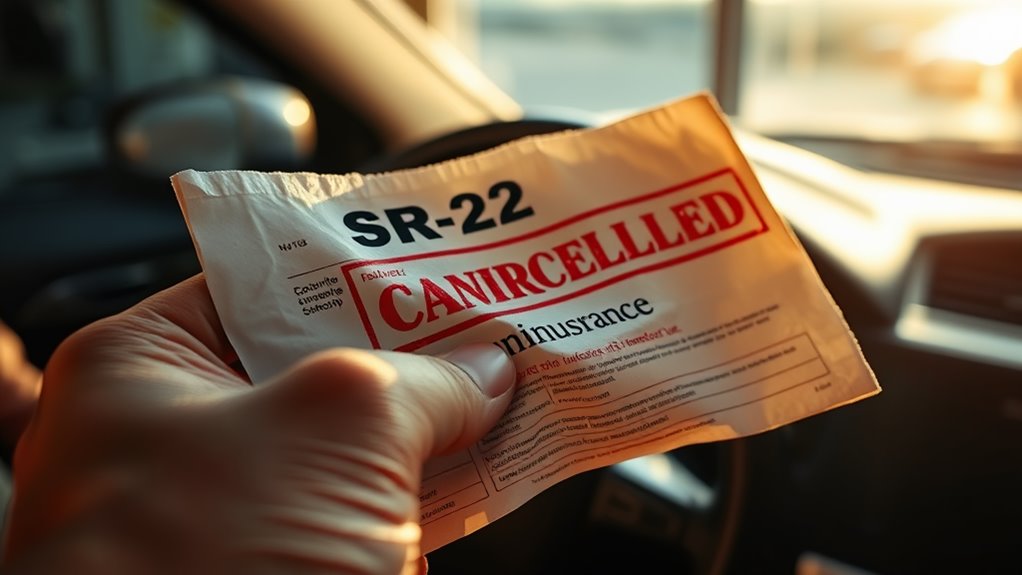
10 Best Steps for SR22 Insurance in Ohio

sr22 insurance process ohio

Maneuvering the maze of SR22 insurance in Ohio can feel like steering through a storm. Understanding the ins and outs of this specialized coverage is vital for those facing certain driving violations. From knowing the reasons behind the SR22 requirement to maintaining continuous coverage, each step is important. You might be wondering how to guarantee compliance and avoid penalties. Let's explore the best strategies to help you stay on track.

Key Takeaways

  • Contact your insurance provider to verify if they handle SR22 filings and understand their process and fees.
  • Ensure continuous insurance coverage during the SR22 period to avoid penalties and maintain compliance.
  • File the SR22 documentation promptly with the Ohio Bureau of Motor Vehicles to avoid delays in reinstating your license.
  • Monitor your driving record and consider taking defensive driving courses to improve your record and potentially lower insurance premiums.
  • Keep all SR22-related documentation organized and be aware of renewal dates to maintain compliance throughout the filing period.

Understand What SR22 Insurance Is

sr22 insurance explained clearly

Although many people confuse SR22 with an insurance policy, it's actually a form that your insurance company files to verify you have the minimum liability coverage required by Ohio law. The SR22 serves as proof of financial responsibility to the state's DMV, ensuring you comply with state-mandated requirements. Typically, high-risk drivers need this filing, especially for license reinstatement after a suspension. High-risk drivers are often required to file an SR22 after serious traffic violations such as DUI or reckless driving. In Ohio, the SR-22 filing process can also vary depending on the severity of the offense and the duration of the required coverage.

To get an SR22, you must inform your insurer, who'll handle the paperwork and submit it to the DMV for a filing fee ranging from $20 to $50. It's essential to maintain continuous coverage during the SR22 period, as gaps can lead to license suspension or an extended SR22 requirement.

Identify the Reasons for SR22 Requirement

When you face serious traffic violations or specific legal issues, you may find yourself required to obtain SR22 insurance. Common reasons for this requirement include DUI or DWI convictions, reckless driving offenses, and the accumulation of multiple traffic violations.

If you're involved in an accident without insurance or drive without valid coverage, you'll also need SR22. Additionally, court-ordered judgments or issues regarding child support can trigger the requirement.

It's important to understand that SR22 insurance doesn't provide extra coverage; it simply demonstrates your financial responsibility to the state. Failing to maintain this coverage can lead to severe penalties, including license suspension, so it's vital to comply with SR22 requirements diligently.

Determine the Duration of Your SR22 Filing

Determining the duration of your SR22 filing is essential, as it typically spans from three to five years in Ohio, with three years being the most common requirement.

The exact duration depends on the severity of your driving violation. More serious offenses, like DUIs, can lengthen this period.

It's vital to maintain continuous coverage during the SR22 period; any lapse can result in additional penalties and may extend your filing requirement.

You should check with the Ohio Bureau of Motor Vehicles (BMV) for the specific end date of your SR22 obligation.

Contact Your Current Insurance Provider

reach out insurance provider

Before moving forward with your SR22 filing, it's essential to contact your current insurance provider to confirm they can assist with this process.

Not all insurers handle SR22 filings, so check if yours does. Ask about the filing process and any associated costs, as some providers may charge additional fees.

Verify if your insurance provider handles SR22 filings and inquire about any associated costs before proceeding.

It's also important to clarify whether they offer competitive SR22 insurance rates, which can be higher due to your high-risk classification. Ascertain your provider can file electronically with the Ohio BMV for a seamless experience.

Taking these steps can expedite your license reinstatement and help you avoid unexpected delays. Always verify that your provider meets Ohio's minimum liability requirements for SR22 coverage.

Explore Options With High-Risk Insurers

Finding the right high-risk insurer can greatly impact your SR-22 experience in Ohio. Different insurers use various formulas to calculate premiums, so it's crucial to compare rates from multiple providers.

Some companies specialize in high-risk coverage, potentially offering more affordable SR-22 options tailored to your needs. Make sure that any insurer you consider is familiar with Ohio's specific SR-22 requirements.

Additionally, look for coverage options, like non-owner SR-22 policies, if you don't own a vehicle. Remember, the cost of SR-22 insurance can vary markedly, so don't hesitate to shop around.

Companies like American Family and Erie may offer competitive rates, especially for certain violations. Use comparison tools or brokers to streamline your search for the best coverage.

Ensure Compliance With Ohio's Minimum Coverage

To guarantee compliance with Ohio's minimum coverage requirements, it's essential to understand the state's specific liability insurance limits.

You'll need to make sure you meet the following:

  • $25,000 bodily injury liability per person
  • $50,000 bodily injury liability per accident
  • $25,000 property damage liability per accident
  • Maintain continuous coverage to avoid penalties
  • File your SR22 with an insurer who can submit it electronically

Be Aware of SR22 Filing Fees

sr22 filing cost awareness

While maneuvering through the requirements for SR22 insurance in Ohio, it's important to be aware of the associated filing fees. Typically, these fees range from $15 to $25, and they represent a one-time cost for electronically filing the SR22 form with the Ohio BMV.

Keep in mind that this fee doesn't cover the increased insurance premiums you'll face as a high-risk driver. Those premiums can inflate your insurance costs considerably, often by about 26%. Additionally, fees may vary slightly depending on your insurance provider.

Beyond filing fees, be prepared for other costs, such as license reinstatement fees and higher premiums, which can add up during your SR22 requirement period.

Maintain Continuous Coverage

Maintaining continuous coverage is a key requirement for drivers with SR22 insurance in Ohio. It's essential to avoid lapses, as they can lead to serious consequences.

Here are some important points to keep in mind:

  • Continuous coverage is mandatory for the SR-22 filing period.
  • Any lapse can result in license suspension or extended SR-22 requirements.
  • Insurance companies must notify the state if your coverage lapses.
  • Lapses can considerably increase your insurance premiums.
  • Maintaining coverage helps improve your driving record over time.

Notify Your Insurer of Any Changes

Notifying your insurer of any changes in your driving status is essential for adhering to SR22 requirements in Ohio. If your license gets suspended or revoked, inform your insurer immediately to maintain compliance.

Failing to notify them can lead to hefty fines, extended SR22 periods, or even jail time. Communicating changes in your driving record, such as new violations, allows for prompt adjustments in your coverage.

Neglecting to inform your insurer can result in severe penalties, including fines and extended SR22 periods.

Additionally, if you cancel your policy, your insurer needs to know to guarantee continuous SR22 filing. Keeping your insurer informed not only smooths the reinstatement process but also helps you avoid unnecessary penalties and increased premiums.

Regular communication is key to staying compliant and protecting your driving privileges.

Shop Around for Competitive SR22 Rates

How can you guarantee you're getting the best deal on SR22 insurance in Ohio? The key is to shop around and compare rates from various providers. Since prices can differ markedly, taking the time to gather quotes can save you money.

Here are some strategies to contemplate:

  • Understand the cost range: SR22 insurance typically falls between $300 and $800 annually.
  • Look for filing fees: Most insurers charge between $15 and $25 for SR22 filings.
  • Check for discounts: Some companies offer savings for bundling policies or completing defensive driving courses.
  • Assess high-risk classifications: Your driving record and type of violation can impact your premium.
  • Verify SR22 capabilities: Confirm the insurer can handle SR22 filings as not all do.

Conclusion

Maneuvering SR22 insurance in Ohio doesn't have to be overwhelming. By understanding the requirements and maintaining open communication with your insurer, you can effectively manage your filing. Remember, keeping continuous coverage and shopping around for competitive rates can save you money while ensuring compliance. Staying informed about your driving record and exploring all options empowers you to make the best decisions. With diligence, you can overcome the challenges of SR22 insurance and regain your driving privilege confidently.

Why Compare SR22 Insurance Quotes for Drivers?

compare sr22 insurance costs

Imagine a driver named Sarah, who recently faced a DUI and now needs SR22 insurance. By comparing quotes, she discovers significant variations in rates and coverage options. Understanding how different insurers assess risk can be vital for anyone in a similar situation. This process not only aids in finding affordable solutions but also reveals potential savings and tailored coverage. What factors should you consider to make the best choice for your circumstances?

Are you struggling to find the best SR22 insurance quotes? If so, you're not alone. Many drivers face the challenge of maneuvering through the complexities of SR22 insurance, especially after a serious driving offense. Comparing quotes not only helps you uncover the most affordable options but also allows you to explore the various benefits associated with SR22 insurance.

One major advantage of comparing SR22 insurance quotes is the potential for cost reduction. By evaluating multiple quotes, you can identify which insurers provide competitive rates tailored to your situation. This is particularly important since SR22 filings often indicate a higher-risk status, resulting in increased premiums. However, diligent comparison can lead you to an insurer that balances coverage with affordability, ultimately reducing your overall insurance expenditure. In Ohio, SR22 insurance filings are a requirement for high-risk drivers to demonstrate financial responsibility.

Comparing SR22 insurance quotes can significantly lower your premiums while ensuring you find the right coverage for your needs.

Additionally, exploring different insurers gives you access to a wider range of options. Not all insurance companies offer SR22 filings, and some may specialize in high-risk drivers. By comparing quotes, you can discover which providers not only file the SR22 form with the state but also offer various types of policies, such as liability coverage, full coverage, or even named non-owner policies if you don't own a vehicle. This variety allows you to tailor your insurance to meet your unique needs.

Another critical aspect of comparing quotes is confirming you select a policy with adequate coverage. Each driver's situation is different, and the right coverage levels and deductibles can vary greatly. By analyzing multiple quotes, you can choose a policy that provides the necessary protection without overwhelming monthly payments. This is vital for maintaining financial stability while guaranteeing you meet state mandates for financial responsibility.

Your driving history plays a major role in determining your SR22 insurance rates. Serious offenses like DUIs can drastically increase your premiums. However, by comparing quotes, you can assess how different insurers weigh these factors and potentially find a more favorable rate that reflects your overall risk profile. Similarly, your vehicle type and location can affect premiums, and understanding these variables through comparison can help you make informed decisions.

When seeking SR22 insurance, you should also consider potential discounts and savings strategies. Some insurers offer discounts for bundling policies or completing defensive driving courses. By comparing quotes, you can identify which providers offer these incentives, allowing you to maximize savings.

Lastly, it's crucial to remain aware of state regulations regarding SR22 filings. Not every state requires SR22, and some, like Florida and Virginia, have different mandates. Understanding these nuances can help you avoid complications and guarantee you maintain compliance with state laws.

Conclusion

In today's fast-paced world, comparing SR22 insurance quotes is more essential than ever for drivers, especially high-risk individuals. By taking the time to shop around, you can find coverage that meets your needs without breaking the bank. Just like searching for the best deal on a smartphone, exploring different options not only saves you money but also enhances your understanding of how insurers assess risk. Don't miss out on potential savings—your wallet will thank you later!

What Steps to Get SR22 Insurance in Ohio?

obtain sr22 insurance ohio

Imagine traversing the twists and turns of Ohio's insurance landscape, searching for the right SR-22 coverage. It can feel overwhelming, but starting the process is simpler than you might think. First, check with your current insurer to see if they can assist with the SR-22 filing. If not, you'll need to explore other options. Understanding the steps involved will make all the difference in securing your coverage effectively. What comes next may surprise you.

If you've faced serious traffic offenses in Ohio, you might need to obtain SR-22 insurance, which serves as proof that you meet the state's minimum liability insurance requirements. This certificate isn't an insurance policy itself, but it confirms that you hold the necessary coverage mandated by the Ohio Bureau of Motor Vehicles (BMV). Additionally, understanding the implications of high-risk classification can help you make informed decisions about your coverage options.

Typically, you'll need an SR-22 after significant violations, such as DUI convictions, driving without insurance, or accumulating multiple traffic offenses in a short span.

To start the process, reach out to your current auto insurance provider. They can tell you if they offer SR-22 services. If they don't, you'll have to shop around for a new insurer. Many companies, like Geico and Erie Insurance, provide SR-22 filings, so comparing quotes can help you find the best rates.

Since SR-22 insurance often comes with higher premiums due to your high-risk classification, it's essential to explore various options. Expect to pay an average annual premium of around $1,670 for full coverage, which breaks down to about $248 monthly if you have a DUI on your record.

Once you've chosen an insurer, they'll file the SR-22 form with the BMV on your behalf. This filing not only confirms your coverage but also shows your commitment to maintaining financial responsibility. The minimum coverage required in Ohio includes $25,000 for bodily injury per person, $50,000 per accident, and $25,000 for property damage. Compliance with state-specific requirements is crucial during the SR22 filing period.

Be prepared to pay a small filing fee for this service, which is typically a part of the overall process.

Maintaining your SR-22 coverage is essential. Generally, you'll need to keep it active for three years, but for more severe offenses, this period can extend to five years. During this time, any lapse in coverage can lead to severe consequences, including license suspension.

Your insurer must notify the BMV immediately if your coverage lapses, so it's important to stay on top of your payments.

If you're unable to secure private insurance, some states offer state-sponsored plans, which provide basic liability coverage for those who can't find a provider. You may also consider non-owner SR-22 policies if you don't currently own a vehicle but still need to maintain your driving privileges.

Finally, once you've fulfilled the SR-22 requirements and the designated period is over, you can expect your insurance premiums to gradually decrease. However, keep in mind that the impact of your high-risk status may linger, affecting your future insurance costs.

If you move out of Ohio, you still need to comply with the state's SR-22 rules until your requirement ends. By staying informed and diligent, you can navigate the SR-22 process efficiently and regain your driving privileges in Ohio.

Conclusion

Securing SR-22 insurance in Ohio might feel like jumping through hoops, but it's a necessary step for regaining your driving privileges. Ironically, while you're labeled a high-risk driver, this process can lead to more responsible choices behind the wheel. By following the steps—contacting your insurer, understanding coverage, and comparing rates—you're not just fulfilling a requirement; you're taking charge of your driving future. Who knew that a little paperwork could pave the way to safer roads?

What Are Temporary SR22 Insurance Costs?

temporary sr22 insurance costs

Have you ever wondered what it really costs to secure temporary SR22 insurance? The expenses can vary widely, influenced by your driving history and the insurer you choose. While initial filing fees might seem manageable, monthly premiums for high-risk drivers can skyrocket. Understanding these costs is essential, as any lapse in coverage can lead to serious complications. What factors should you consider to make the best choice for your situation?

When you find yourself needing temporary SR22 insurance, understanding the associated costs is vital. SR22 isn't a type of insurance but a certificate of financial responsibility that proves you meet the minimum liability coverage mandated by your state. Typically required for high-risk drivers—those with DUIs or multiple traffic violations—this certificate is filed by your insurance company with the DMV to guarantee compliance. As a result, knowing what to expect regarding costs can help you navigate this challenging situation.

First, you should consider the SR22 filing fee, which usually ranges from $25 to $50. This one-time charge is separate from your insurance premiums and applies to each vehicle or non-owner policy. Depending on your insurer, there may also be a monthly fee associated with maintaining the SR22, which can add to your overall expenses. Keep in mind that these costs can vary slightly based on your state and the specific insurance provider you choose.

Insurance premiums for drivers with an SR22 are considerably higher than standard insurance rates. This is primarily due to the high-risk profile of the drivers needing SR22 coverage. Annual costs can range from $2,000 to $5,600, depending on your driving history and the state's requirements. The increased likelihood of claims from high-risk drivers directly impacts these premiums. However, maintaining a clean driving record over time may help lower your premiums as you demonstrate improved responsibility. Being classified as a high-risk driver often results in these increased premiums due to prior violations.

The duration of the SR22 requirement typically lasts at least three years, although this can vary based on the offense and the state laws in question. During this period, any cancellation of your insurance could lead to suspension of your license, making it vital to keep your policy active. If you were to cancel your insurance prematurely, you might've to restart the SR22 process, incurring additional costs and delays.

There are different types of SR22 insurance, including Owner SR22, Non-Owner SR22, and Operator SR22. An Owner SR22 covers you when you own a vehicle, while a Non-Owner SR22 applies if you don't own a car but may drive others'. Generally, Non-Owner SR22 policies are cheaper than Owner policies, which can ease the financial burden. Regardless of the type, all SR22 premiums tend to be higher than standard insurance due to the associated risks.

To reduce your overall SR22 costs, you can take several proactive steps. For instance, committing to a clean driving record can gradually lower your premiums. Additionally, selecting higher deductibles may lower your initial costs, and opting for a less expensive vehicle can also decrease your insurance rates. Finally, comparing quotes from multiple providers will help you find the most competitive rates tailored to your specific needs.

Conclusion

In summary, steering through temporary SR22 insurance costs can feel like riding a rollercoaster—thrilling yet nerve-wracking! With fees and premiums that can skyrocket, it's essential to stay on top of your coverage. Missing a payment could trigger a storm of additional costs and headaches. So, buckle up and keep your compliance in check! Remember, a little diligence now can save you from a mountain of financial chaos later on. Your wallet will thank you!

Call Us Now